

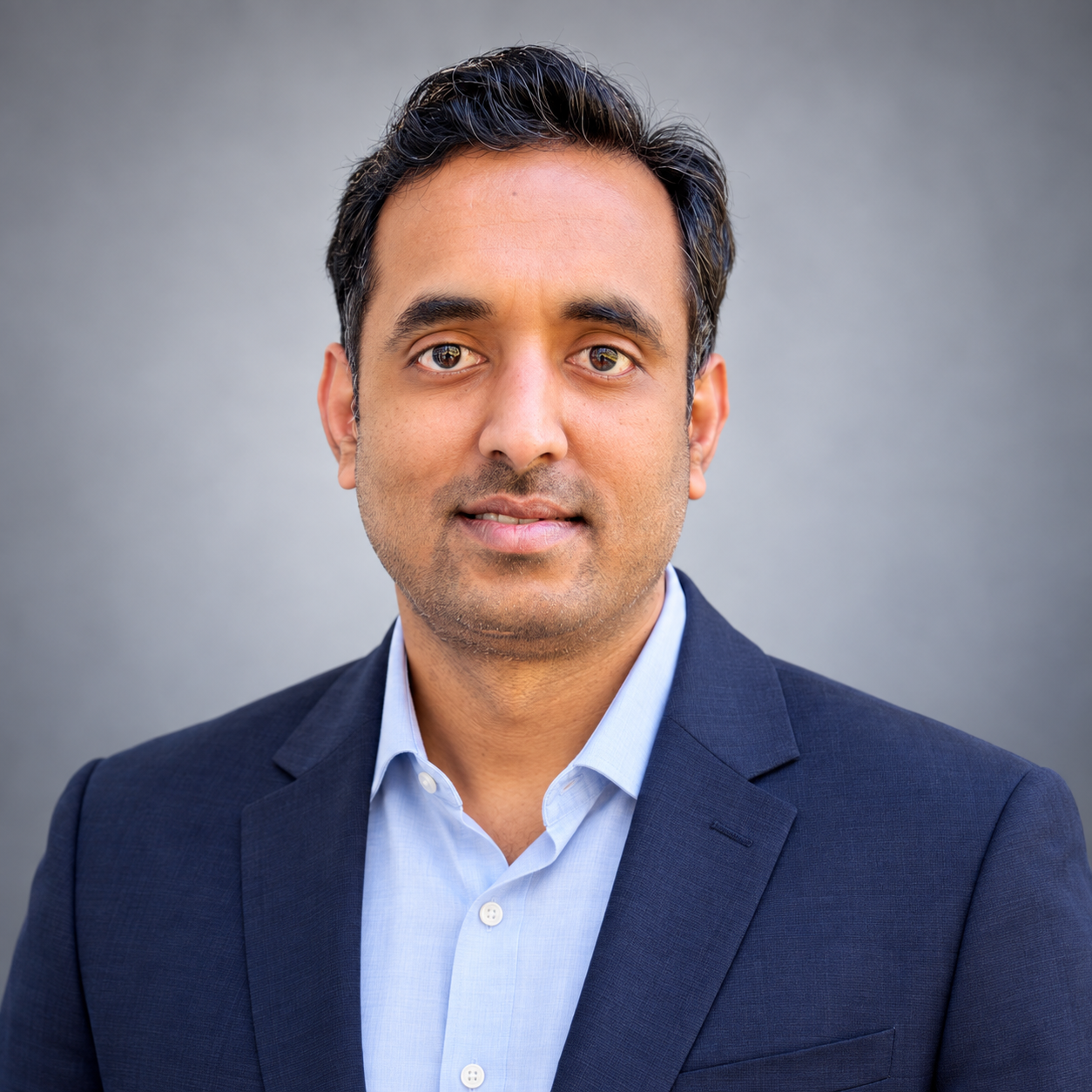
Suhas Malempati
Title of the Talk: Spatial AI: Making Physical Spaces Understandable to Humans and AI
Abstract:
Spatial AI: Making Physical Spaces Understandable to Humans and AI Digital information is searchable, connected, and increasingly accessible to AI. Physical environments often remain difficult to navigate, interpret, and manage. A three-dimensional model can capture how a place looks, but understanding that place requires more: what it contains, how people move through it, what activities it supports, and how it changes over time. This keynote explores how Spatial AI can bridge that gap by connecting digital twins, spatial mapping, contextual information, and human interaction. For people, this can enable intuitive indoor navigation, multilingual discovery, and guided tasks. For AI systems, structured spatial information can provide the foundation for reasoning about locations, relationships, routes, and operational needs. Through practical examples from museums, campuses, retail environments, and facility operations, the talk examines the journey from capturing a physical environment to making it interactive and useful. It also addresses the challenges of accuracy, accessibility, privacy, and maintaining current spatial information. Attendees will gain a practical perspective on how to move beyond visual representations toward physical environments that people can understand and AI systems can reason about, creating opportunities for better visitor experiences and more informed operations.
Bio
Suhas Malempati is the Co-Founder of MetaDigi Labs, Inc., based in Charlotte, North Carolina. He brings over 15 years of experience in enterprise technology, retail systems, and digital transformation, including roles at Accenture and Cato Corporation. He leads the development of NavMe, a browser-based platform that combines digital twins, indoor navigation, and interactive experiences without requiring an app download. His work focuses on making physical environments easier for people to navigate and manage, while building a spatial foundation for AI systems. His interests include Spatial AI, WebXR, and practical applications across museums, campuses, retail, and facility operations.