
GAJENDRA BABU THOKALA
Title of the Talk:
The Pipes Before the Brain: Building Data Platforms That Keep AI Alive
Abstract:
All AI systems are only as alive as the data they receive. When this stream of data is either too slow, too unstructured, or too old; then even the best possible models will be able to make poor quality, stale, and unreliable decisions. As such, the bulk of the industry continues to focus primarily on the ‘brain’ (the model) while the ‘pipes’ (the data platform) silently define what makes an artificial intelligence actually work in reality.
The keynote focuses on these ‘pipes’. The keynote will examine the fundamental engineering design elements necessary to support large-scale intelligence: how ingestion, processing, and coordination influence system performance; and why continually operating architecture types have a greater advantage over traditional batch type designs when working in ever-changing environments. Unlike previous presentations focused on model capabilities; the presentation will emphasize the structural thinking and strategic planning required to develop data platforms which will continue to be successful through evolution of information. The presentation will conclude by providing actionable advice to development teams building the next generation of artificial intelligence-based systems, and a basic premise: If you want your AI to stay alive, you need to start with the pipes feeding it.
Bio:
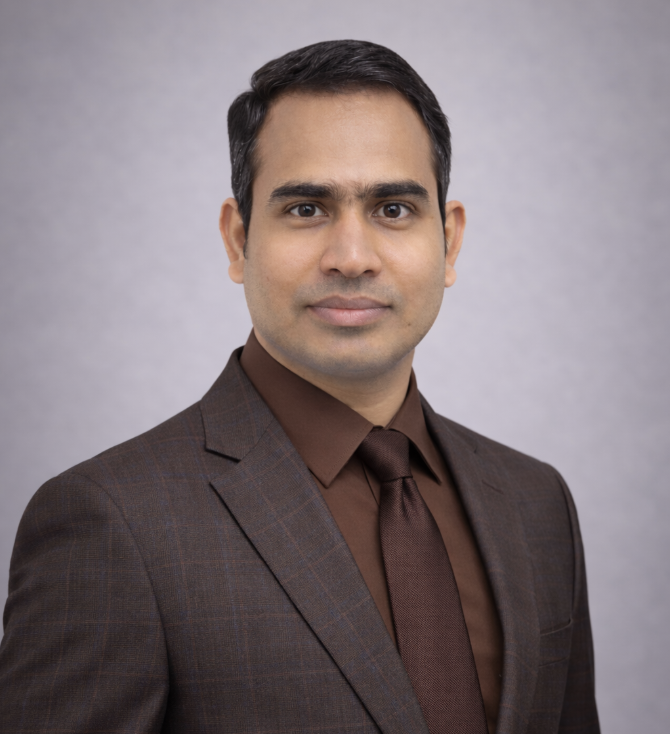
Gajendra Babu Thokala works as a senior engineering leader in a field that is concerned with developing data engineering systems to handle huge amounts of data in real time. His work experience includes development and operation of very high throughput systems in support of smart applications which are used by tens of millions of people in India, Singapore, and the U.S. In addition to being an IEEE Senior member and BCS fellow, Babu has also written articles and presented internationally as a keynote speaker. As such, he has a strong reputation for taking highly technical problems and transforming them into functional and efficient solutions; and he shares real world experiences of how to build real-time systems which can be trusted.